
How Central Bank Decisions Shape Forex Markets: A Fundamental Analysis
Introduction
When you look at the daily price chart of EUR/USD or GBP/USD, the first thing that catches the eye is often a technical pattern. Yet the underlying engine that powers those movements is the monetary policy set by central banks. From the Federal Reserve to the European Central Bank, each decision on rates, asset purchases, and forward guidance can swing the market for hours, days, or even weeks. In this Fundamental Analysis piece we dive into the macro forces — CPI, GDP, NFP, and geopolitical risk — that shape currency values, and we show how to integrate that insight into a robust trading strategy.
1. Why Central Banks Matter for Forex
- Interest‑Rate Differential – Currencies with higher real rates tend to attract capital, strengthening the pair.
- Inflation Targets – The Consumer Price Index (CPI) is the primary gauge of inflation. When CPI deviates from a central bank's target, policy is likely to adjust.
- Forward Guidance – Central banks now communicate future policy paths more transparently, allowing traders to price expectations ahead of actual moves.
- Liquidity Provision – In crisis periods, banks may inject liquidity or cut rates dramatically, creating sharp risk‑off or risk‑on moves.
Understanding these levers helps you anticipate forex trading opportunities before the news hits the tape.
2. Key Economic Indicators to Watch
| Indicator | Typical Impact on Currency | Frequency |
|---|---|---|
| CPI (Consumer Price Index) | Signals inflation pressure; higher CPI → potential rate hikes → currency strength. | Monthly |
| GDP (Gross Domestic Product) | Reflects economic growth; strong GDP can lead to tighter policy. | Quarterly |
| NFP (Non‑Farm Payrolls) | U.S. labor market health; surprise gains often boost the USD. | Monthly |
| Retail Sales | Consumer spending trends; can foreshadow inflation trends. | Monthly |
| PMI (Purchasing Managers' Index) | Early‑stage economic activity; above 50 signals expansion. | Monthly |
When these releases diverge from expectations, volatility spikes. Traders should keep an economic calendar handy and note the consensus versus actual numbers.
3. Recent Central Bank Moves and Their Ripple Effects
3.1 Federal Reserve (Fed)
- July 2026 Rate Decision: The Fed held rates at 5.25% but signaled a "patient" stance, citing mixed CPI data (U.S. CPI +0.3% MoM, still above the 2% target).
- Market Reaction: USD/JPY rallied 0.7% as traders priced in a delayed rate hike, while EUR/USD slipped 0.5% on the risk‑off sentiment.
3.2 European Central Bank (ECB)
- June 2026 Outlook: The ECB kept rates at 4.00% but warned of persistent price pressures in the Eurozone, especially in energy‑heavy economies.
- Impact: EUR/USD saw a modest 0.3% rise after the statement, as the market interpreted the warning as a precursor to a future tightening cycle.
3.3 Bank of England (BoE)
- August 2026 Minutes: The BoE hinted at a possible rate hike in September if the UK CPI stays above 3%.
- Result: GBP/USD surged 0.6% on the news, confirming the currency's sensitivity to rate expectations.
These examples illustrate how even subtle wording can drive price action. For crypto traders, the same logic applies: a dovish stance can weaken the USD, often lifting BTC/USD and ETH/USD as investors seek higher‑yielding assets.
4. Building a Fundamental‑Driven Trading Strategy
4.1 Combine Macro with Technical Analysis
- Identify the Economic Event – Use an economic calendar to flag upcoming CPI, NFP, or central‑bank meetings.
- Set a Pre‑Event Bias – Based on consensus forecasts, decide if you're long or short the currency.
- Mark Key Levels – Plot recent support/resistance on the chart (e.g., 1.0800 for EUR/USD) to guide entry and exit.
- Enter on the News – Use a breakout or reversal candle pattern (e.g., bullish engulfing) that aligns with your bias.
- Risk Management – Place a stop‑loss a few pips beyond the technical level and size the position according to your account risk (e.g., 1% per trade).
4.2 Prop‑Firm Considerations
If you trade a Funded Ocean 1-Step or 2-Steps Challenge, the same framework applies, but you must respect the drawdown limits and position‑size rules. A disciplined approach can help you meet the funded account criteria while still capitalizing on macro moves.
5. Risk Management Tips for Macro‑Driven Trades
- Avoid Over‑Leverage – Macro events can cause gaps; keep leverage modest (≤10:1) for volatile pairs.
- Use Tight Stops – Place stops near technical levels rather than a fixed distance; this reduces the chance of a stop‑run.
- Diversify Across Pairs – Pair a major pair (e.g., EUR/USD) with a commodity‑linked pair (e.g., XAU/USD) to hedge against divergent risk‑on/off flows.
- Monitor Correlations – When the USD strengthens, BTC/USD often weakens; use this relationship to balance exposure.
6. Geopolitical Factors that Amplify Central‑Bank Influence
- Middle‑East Tensions – Spike oil prices, which can push XAU/USD higher and support safe‑haven flows into the USD.
- U.S. Election Cycle – Political uncertainty may lead the Fed to adopt a more cautious stance, affecting risk sentiment.
- China's Economic Policy – Any shift in the People's Bank of China (PBOC) can reverberate through global liquidity, indirectly influencing the USD and EUR.
Traders who track these broader narratives can better anticipate when a central‑bank announcement will be price‑capped versus when it will spark a trend‑forming move.
7. Final Thoughts
Central bank decisions remain the most powerful macro driver for forex markets. By monitoring CPI, GDP, NFP, and the nuanced language of forward guidance, traders can position themselves ahead of the crowd. Pair this macro awareness with solid technical analysis, strict risk management, and the right prop‑firm infrastructure, and you'll be better equipped to capture meaningful moves while preserving capital.
Whether you're managing a retail portfolio or a Funded Ocean funded account, merging fundamental insight with disciplined execution can give you the edge in today's data‑driven markets.
Published by the Funded Ocean Team.
More articles
Suggested reads from the blog

EIA Short‑Term Energy Outlook: Oil Price Drivers, Forex Implications, and Gold Outlook
·Fundamental Analysis
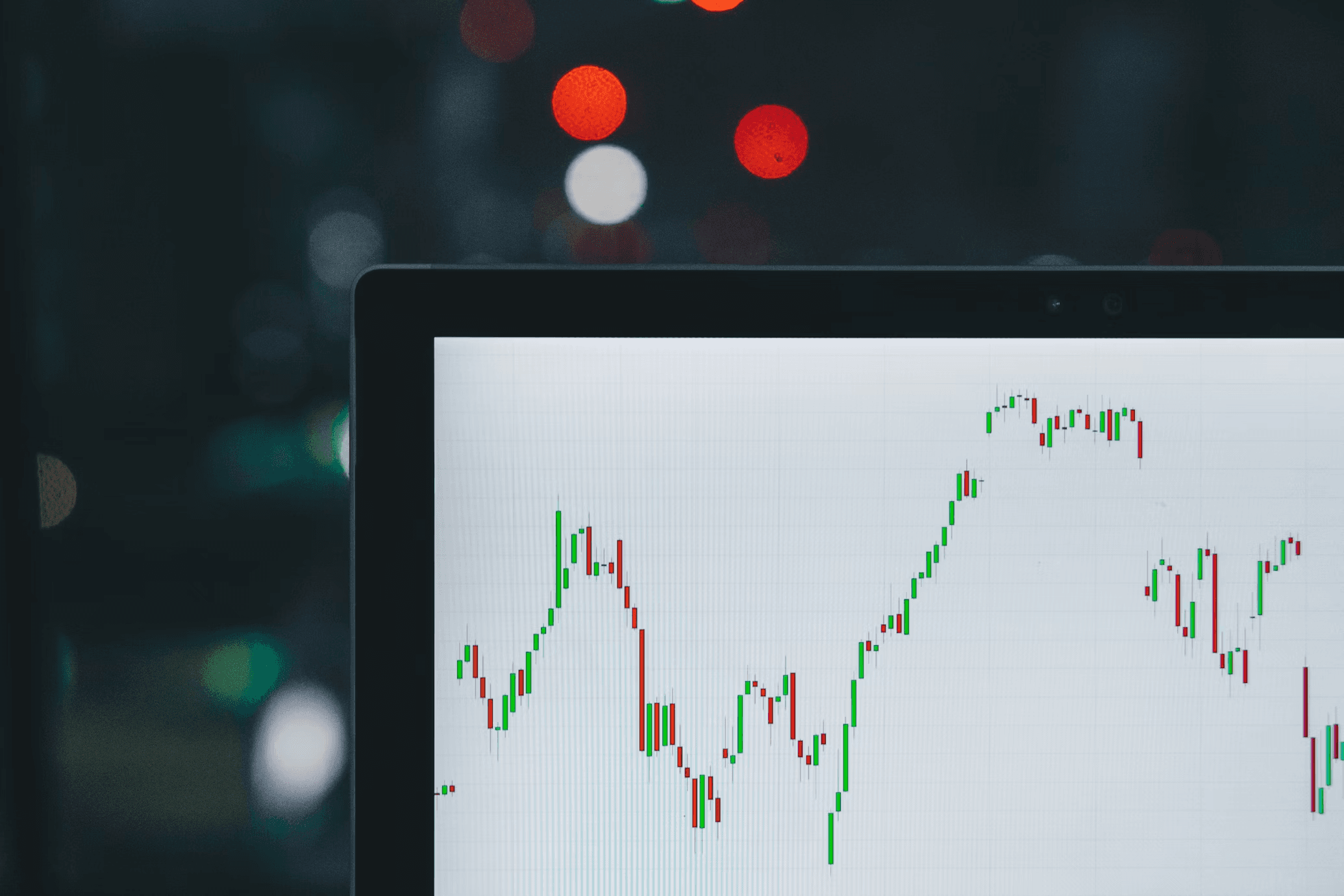
Gold and Oil Forecasts: Macro Drivers Shaping XAU/USD and Brent Prices This Quarter
·Fundamental Analysis

How Interest Rates Shape Forex, Gold, and Oil Markets: A Fundamental Analysis
·Fundamental Analysis
Fundamental Analysis: How CPI, GDP, and NFP Shape Gold, Oil, and Currency Markets
·Fundamental Analysis